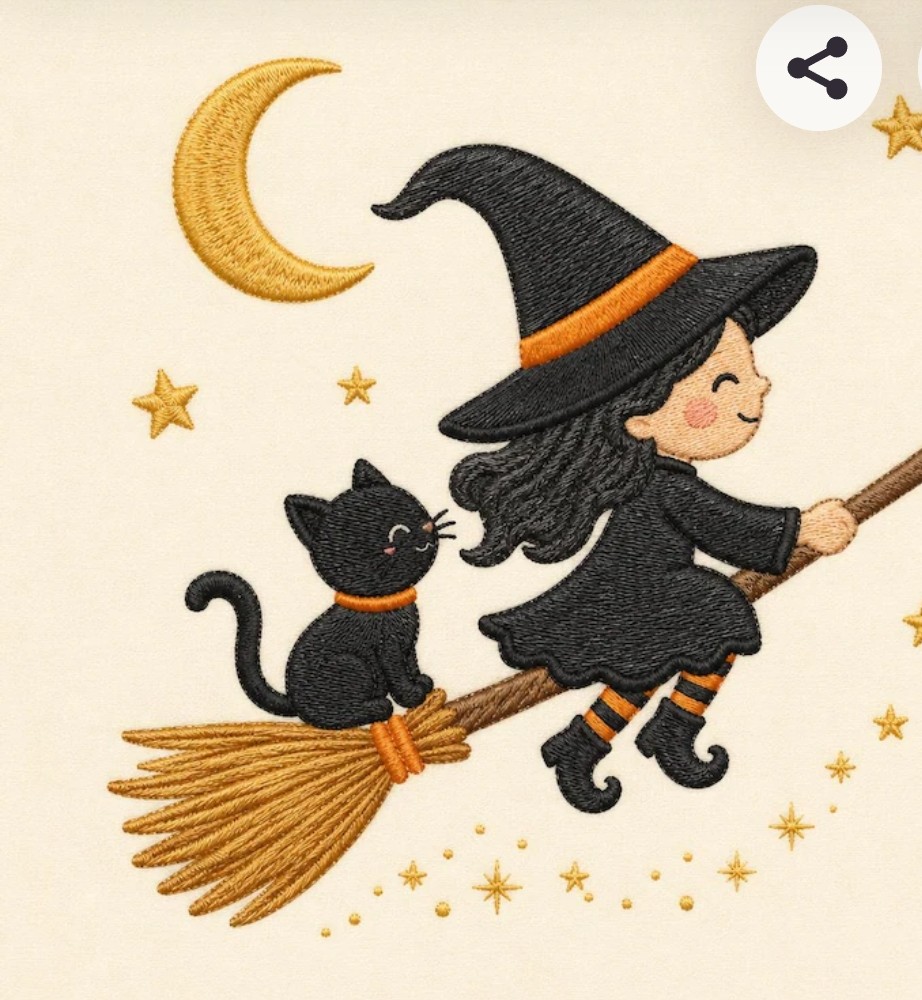
…or what I might have been in bygone eras or a different postcode
Halloween was always a big deal for my kids. The thrill of fancy dress was cool enough, but the promise of unlimited confectionery from a whole bunch of strangers made it, in Middle Child’s words, better than Christmas. He and Firstborn Son have outgrown it, but it’s still a thing for Only Daughter. She’s looking forward to trick or treating as a witch this year. While I’m not thrilled about the crazy commercialisation of this traditional fiesta, I kinda like the fact that she can be a witch and no-one will bat an eyelid. She could claim to be a sorceress, for that matter, make a living from potions, charms and amulets and I still wouldn’t have to fear for her safety. Huh? I hear you ask, why would I fear for her safety? Well, being a witch (or merely being perceived as one) wasn’t always compatible with life!
Not so long ago, any woman who was a bit too independent, resolutely single, a little too smart, and shamefully unrepentant about her ability to get by without the “Til death do us part”, could be accused of witchcraft. Let’s face it, in a system designed to keep her dependent and subjugated, only an alliance with the devil could explain her ability to thrive without an actual husband.
If I’d lived in those times, I’d have have met too many of these criteria for comfort. Midwifery was uncomfortably associated with witchcraft; holy matrimony didn’t agree with me; I was not practicing celibacy (ideally by being cloistered in a nunnery); the unholy fornication resulted in non-immaculate conception! Oh, and I live with a black cat because she chose us, which is an honour because cats are picky.
Not gonna lie, had I lived in those times I probably wouldn’t have been quite such a brazen upstart. The consequences would have been too scary, I think. Dishonour, the proverbial shelf, old maidhood, the nunnery, the ducking stool… I’d have been grateful for my basic home-ec education, would have settled for an advantageous alliance with a suitable boy, and had a brace of kids, my last pregnancy probably coinciding with the birth of my first grandchild. I’d probably have done a good job breeding. I could have been quite the matriarch. Then again that’s the life that 12 year old me thought she would have (albeit with more education, fewer kids, a suitable boy of her choice). That 12 year old also knew she’d be a midwife. She’d would have been incredulous if you’d told her how life would work out!
Midwifery back in the days would have required the kind of strong stomach and a familiarity with death which today’s me isn’t sure she could handle. I don’t think I’d have lasted even if I’d had the vocation. Today’s me did discover that she had a stronger stomach than she suspected though. Perhaps yesteryear me would have too. If so, I’d have been existing on the fringes of acceptability and my survival would have depended on my ability to subsist on gratitude. My services would be undervalued because it’s not a job, it’s a vocation. My skills would depend entirely on who had trained me because a midwife didn’t have a textbook or randomised controlled trials to guide her practice. If I’d shown too much aptitude for studying what limited resources were available I might have been tempted to call myself a professional and that (in a woman) is just pride. We know what comes after that. Prejudice, obviously. And then a trial by water. The judgy waters would either welcome me and I’d be vindicated but dead. Or not. Me? I kinda float, as the 10 year old me discovered when she had no difficulty treading water for five minutes despite being the not particularly fit child that got picked second last for sports teams. While this random attribute makes me a decent swimmer, it would have sealed my witchy fate. Rejected by the water, I’d have been toast. The thought of that would probably have made me less likely to resist my feminine destiny.
Even as recently as the 1950s, midwives, nurses and nuns were pretty interchangeable. They all had celibacy in common though. They knew what happened to fallen women. Those women also ended up in (different) nunneries doing serious penance for being the female half of a fertile couple. To think I might have been both midwife and inmate!
I hark back at the horrors of bygone eras, but the truth is that for plenty of women today, failure to live “honourably” as a woman has drastic and unpleasant consequences. Charges of witchcraft may no longer apply but the punishment for perceived transgressions are still brutal and often incompatible with life. But the sanctions don’t have to be physically violent to be effective: just the threat of spinsterhood through reputation damage is enough to keep vast numbers of women around the world toeing a very Conservative line. I’m not sure I would have fared too well.
The recurring theme does seem to focus on a woman’s chastity. Bad enough if it were that simple. Sadly, even today, a woman’s purity can only be guaranteed if she protects herself from the male gaze. Attracting a lustful stare due to an ill concealed tendril of hair or a naked ankle can seal her fate as impure temptress, and what man could possibly trust such a woman to be the mother of his, and only his kids. Ugh! How convenient for a man (who caused conception) to abandon his baby human because its mother was looked at wrong by another bloke.
So yeah, Halloween may be a wee bit excessive, a bit pagan, overly commercial, a touch ghoulish, frankly ungodly. But if you are a girl who lives in a post code where (for one night a year) you can safely roam the streets begging for sweets while dressed as a witch, you are likely to grow up enjoying a half decent level of equality with your brothers. May the treats be with you, sweet child of mine. May the candy be abundant!


Leave a Reply