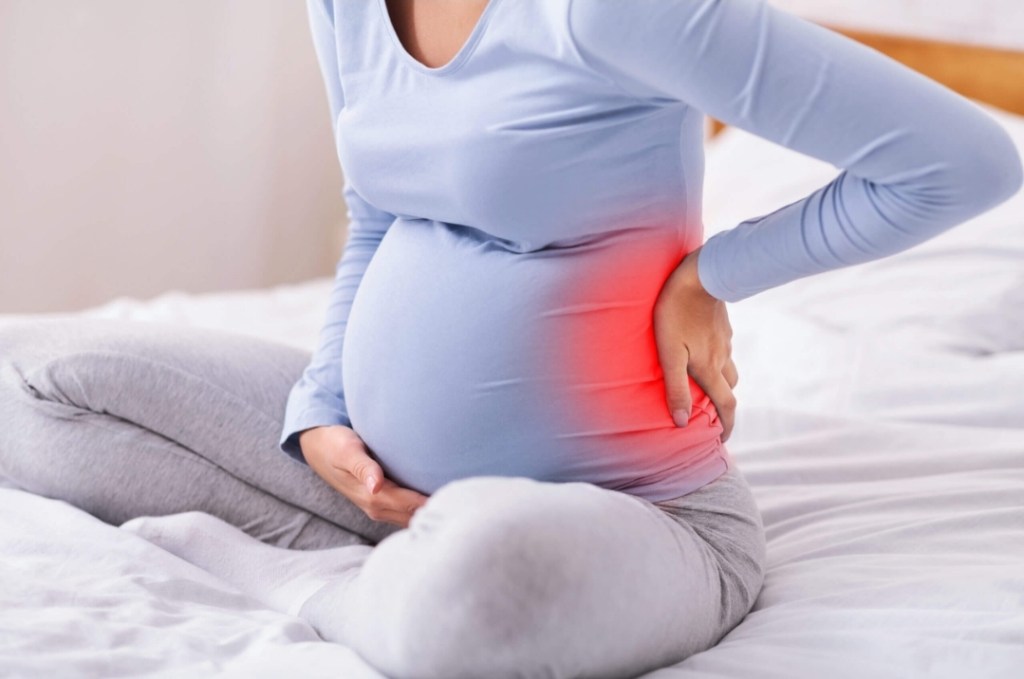
…And the pain is real
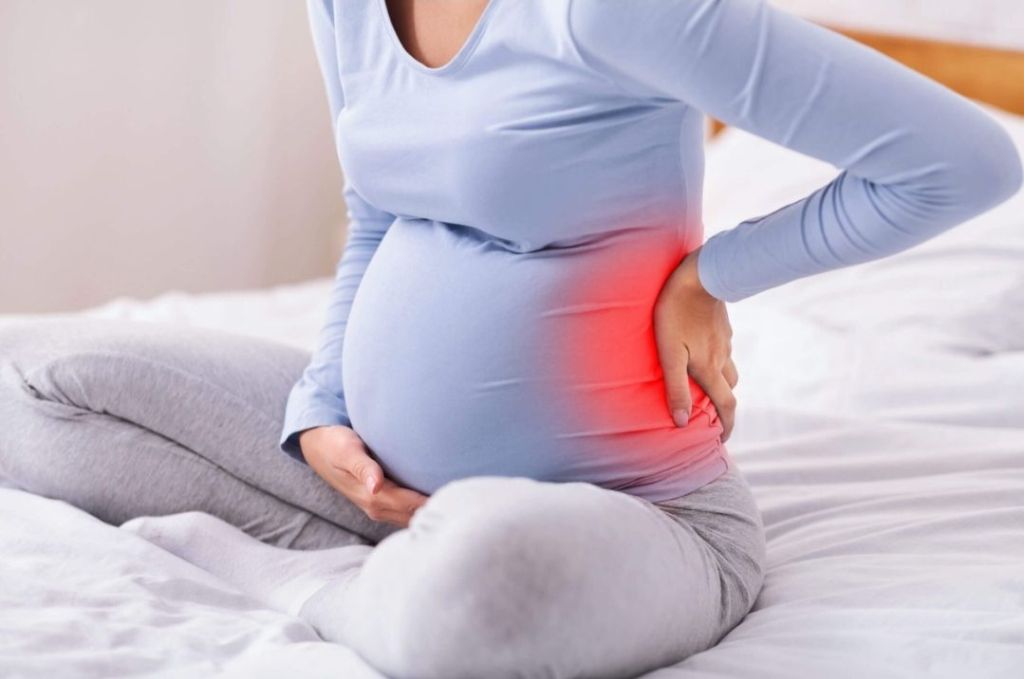
Think about it. You’re pregnant. You’re delighted. You wanted this and it has happened. The thin blue lines appeared and you are now growing a baby. It’s the most natural thing in the world….
But fast forward a couple of weeks and you can no longer tolerate food… and even though you’re utterly dehydrated, your bladder wakes you every night begging to be emptied. Even though the developing baby is tiny, you have crippling back pain. You are offered ginger biscuits for the sickness (which your stomach promptly ejects), paracetamol for your back (it doesn’t help even when your stomach is grudgingly accepting sustenance) and words of sympathy for your already-broken nights (also unhelpful). You conclude that you have failed whatever God-awful test this is. You haven’t even made it to your 12 weeks scan. You will be a terrible mother. The whole Internet agrees, while selling you expensive supplements in the form of fat, smelly tablets that you cannot tolerate. Of course, you cannot talk about your pain because it’s understood that you carry this burden alone, lest you fail to graduate from that first scan. I mean, you wouldn’t want the world to know you had failed at this, the most natural thing in the world. You cannot tell your work because you risk being fired on some flimsy pretext.
You are reliably informed that this is going to get worse… and of course, it does.
As the baby grows, it squashes your organs, begins to kick more vigorously, depletes your reserves of key nutrients, squishes your nerves, wreaks havoc on normal peristalsis (your gut’s ability to keep food moving along nicely, causing heartburn, sickness and constipation), and turns you into its waste and heat dispersal system. None of this is fun.
By now, you are so convinced you must be doing it wrong that every twinge clearly predicts the inevitable catastrophe. But pregnancy is a maelstrom of twinges at best, discomfort as inevitable and pain as routine. Rationally, we know that pain, while horrible, rarely heralds disaster. As midwives, we are usually more concerned about symptoms you won’t even feel, like blood pressure or diabetes, or asymptomatic urine infections. We are, I confess, a bit more blasé about pain. We’re not being horrid, it’s just that we know you’ll be ok. Eventually. We know it would be wonderful if you could take to your bed, just for a few days every so often. A decent rest along with some quality pharmaceuticals will usually alleviate the pain and the nausea, allowing for some sort of normality to kick back in. The drugs are less potent without the rest, and the chillaxing works best in conjunction with the meds!
In practice we know pregnant women are continually obliged to prove they are worthy of their jobs, as good as any bloke, even while facilitating the smooth running of the joint home and kids. These societal expectations are difficult to ignore. It makes it extremely difficult for her to take a meaningful break and so the pain persists. I’m convinced that if men did pregnancy, paternity leave would begin at conception. Maternity leave would kick in at birth. Frankly, that’s how it should be! Seriously, think about it: maternity leave currently begins at the point where dads could physically take over. During pregnancy, when dads cannot shoulder the burden, pregnant women work. It genuinely doesn’t make sense. Think of all the health benefits that would accrue if women were given paid leave to rest, exercise and eat well, while attending the myriad of appointments that we expect them to make time for. Of course this would be disastrous for the employment of women but… if you got the fathers to take 9 months of paternity leave once baby is born, it would make fertile men (ie all of them since they don’t have the menopause) as undesirable to employers as women. That would be fair plus it would sort out the gender pay gap! Anywaaaaay, I digress!
The pain is real. So is the anxiety. So is the tiredness. But how can you sleep if your body is on high alert and in constant pain?Women get a barrage of unhelpful and incorrect advice regarding how to be perfect baby vessels. In a nutshell: pay £££ for unscientific supplements, refuse all helpful scientifically tested medicines, do yoga. I am often staggered at the cr@p that pregnant women believe. Women who smoke (look, they have their reasons) but won’t take a paracetamol. Or who will (quite rightly) take antibiotics for an infection while pregnant but refuse their vaccines which prevent so many nasty infections. Or who forsake coffee (unnecessary) while drinking gallons of sugary soft drinks. It would make my life easier (less tears of anguish) if women would partake in coffee when they are tired, eat a sensible diet consisting of a modicum of fruit and veg, take paracetamol when they are in pain, have their flu jab to avoid that infection at least, and get to bed at a sensible time without doomscrolling on the socials (which know you are pregnant and regale you with horror stories) just before sleep. And stop worrying. I know it’s not that simple, obviously.
We don’t help as midwives because our advice to women is “call if you are worried” (plus a short list of symptoms that we definitely want to know about) but this still leaves a lot of uncategorised symptoms, usually involving pain…. which is always worrying… what if you were too lackadaisical and missed an important warning symptom? What if disaster strikes and it’s all your fault? How are you supposed to know what should be worrying you? You feel anxious because the onus is clearly on you. But you have a gazillion symptoms and you don’t know where to start with the Googling. We say monitor your symptoms and call if they get worse… but how much worse? At what point will it be fatal if you do manage to ignore it but it doesn’t go away? Will you then have to call an ambulance? Will you need an emergency cesarean? So you duly monitor: obviously you’ll need to give the doctor an accurate account of exactly what symptoms you were having so you start writing them down. Every 15 minutes. Has it gotten worse? Has it moved? Does pressing there make it worse? Is it worse when sitting? Lying down? Eating? By now it’s 11pm and sleep is no longer an option even though you are tired. Your brain is on high alert. The pain inevitably gets worse. You finally reach for the paracetamol but now you feel guilty, perhaps you just needed to drink more water… so you drink a big glass even though you weren’t thirsty and now, lo and behold, your bladder is begging to be emptied. Again. You wonder if that’s normal. Perhaps you have a urine infection. You were definitely told you should call the midwife if that’s the case… something to do with premature labour, wasn’t it? The pain must have been your bladder all along, it was obviously trying to tell you something. You are a fool for not having known that. And a terrible mother for putting her baby at risk of early labour…. you go to the hospital and the midwife checks you over, tests your wee, reassures you and asks if you’ve taken paracetamol. She gives you some. You fall asleep.
The pain was real. But the anxiety amplified it a thousand times. We know that, and we won’t hold it against you. We know that paracetamol works much better once you are satisfied that all is well. To that end, we will thoroughly investigate any symptom you have, and make sure there is no underlying problem. We know that once you are reassured and pain free, you will sleep. And once you have slept you will feel less pain.
Naturally we are aware the paracetamol isn’t that strong and might not touch your pain. We’d like to inform you that stronger analgesics exist, which are perfectly safe in pregnancy. We’d also like you to know that there are effective and safe anti-sickness drugs and really decent heartburn meds. We beg you to see your GP for a prescription. If we can make you more comfortable you are more likely to stay active, and a little bit of gentle exercise while under the influence of your painkiller of choice will do you a world of good. We are aware this sounds overly simplistic. It remains true!
The brain can be it’s own worst enemy. It seems to be wired to anticipate disaster and then, quite reasonably, make you take steps to avoid it. And there aren’t many worse tragedies than losing your baby. Your brain is understandably keen to help you prevent that. Especially as it has understood, from everything that you have read, that you CAN AND SHOULD prevent it. It thinks it’s being helpful by amplifying all unpleasant sensations just in case, while conveniently forgetting that these are all the logical consequences of growing a baby. You’ve read that your baby will press on your bladder (it will, towards the end), but your brain starts monitoring your bladder from day one (because why not? Just trying to be helpful) and suddenly you can’t go 5 minutes without needing to pee. The baby is miniscule and you know your bladder is empty but you’re awake now so you might as well go… you inadvertently create a feedback loop. You’ve just retrained your perfectly good bladder to pester you at all hours. Which is particularly inconvenient when you really need to sleep. The urge is real. Your brain was just keeping you informed about your bladder because your midwife told you to look out for bladder infections plus, you wouldn’t want to be caught short now, would you? Spoiler alert: you won’t because you are a grown woman with full bladder control and an adequate pelvic floor, plus your midwife tests your wee at every appointment.
Similar feedback loops are sometimes created with pain. Your brain is keen to keep you informed about all the new sensations to help you decide what is normal but now you have far too much information. Everything that used to happen quietly in the background, even your heart beating, now feels loud and uncomfortable. It’s always worse at night. Google gives you plenty of plausible reasons why each sensation might presage doom. Google and your brain are basically ganging up on you.
Thing is, unhelpful feedback loops are easy to form and much harder to break. We’ve all been there. Your midwife knows you just want to be a good mother. We know you’d do anything to keep your baby safe. We know the uncertainties of pregnancy are hard to cope with. Pregnancy may be natural, but so is cholera! Both are vastly more survivable than before, but both are dangerous. You aren’t expected to suffer in silence in either case. We’ll be there for you because we understand that the pain is real. But the best analgesia is one of us listening attentively, monitoring you closely, treating your pain seriously, and making you feel safe.


Leave a Reply